Adaptability: A Key Driver for a Successful Broker-Shipper Partnership
Read More
Published: February 28, 2019
Last Updated: April 16, 2026
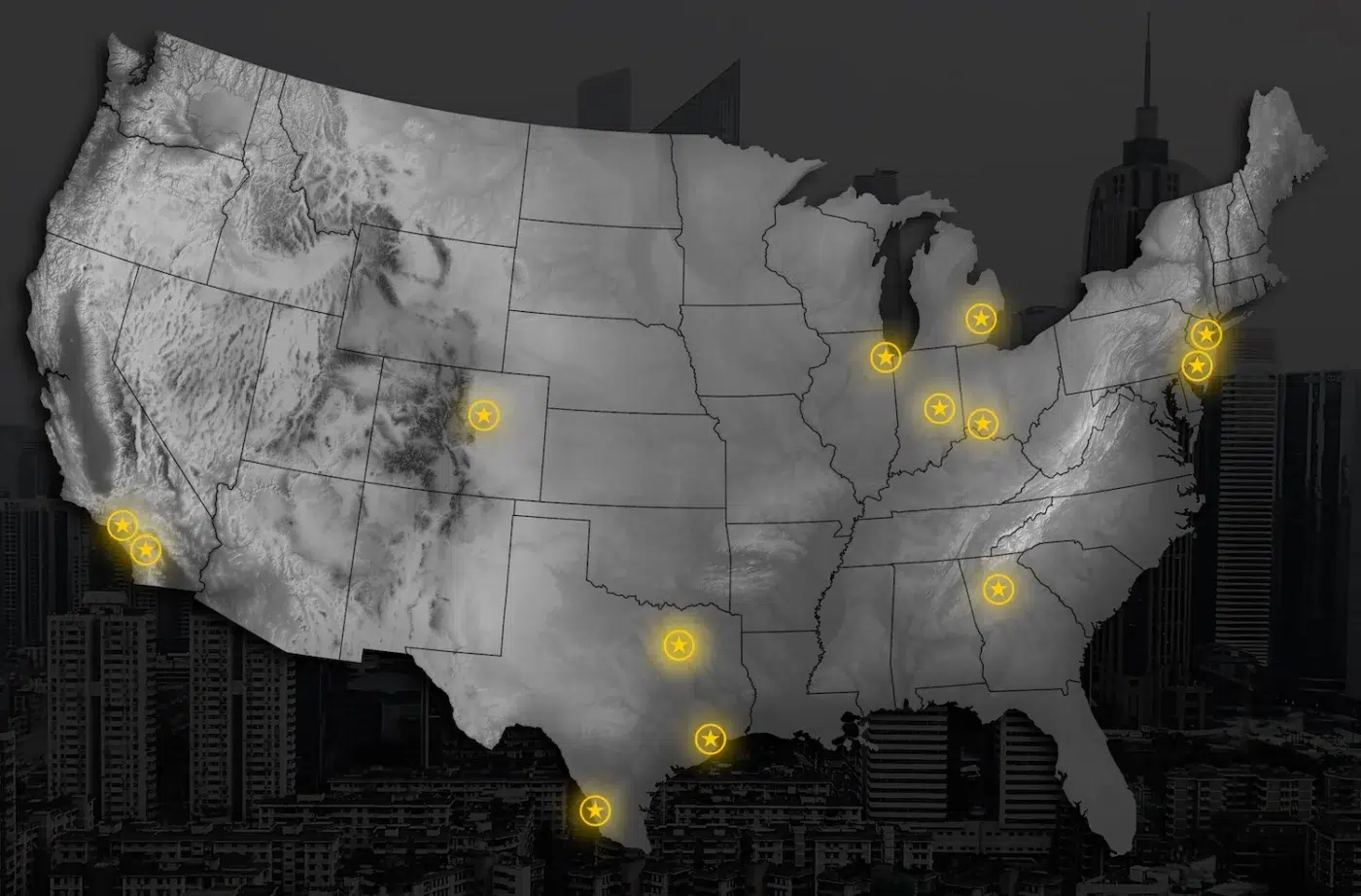
Efficient freight movement depends on geography, infrastructure, and network density. While many metropolitan areas support regional logistics activity, only a handful function as true national distribution hubs.
These cities combine intermodal connectivity, highway access, rail infrastructure, port or air cargo capacity, and warehousing concentration at scale. Together, they form the backbone of U.S. freight distribution.
Below are the most strategically significant distribution cities in the U.S., based on freight movement, intermodal access, and infrastructure scale.
As the third largest city in the US, it’s no surprise that Chicago is one of the top distribution cities. In fact, Chicago has been the commercial hub for the county since the Westward Expansion era. The city is home to one of the largest airports, has access to numerous interstates and railroads, and has water access to the Great Lakes, making it geographically one of the best locations for distribution. There’s a reason TRAFFIX has a center here!

Indianapolis serves as a key Midwest distribution hub with strong intermodal and highway access.
Its central positioning, growing warehousing footprint, and access to multiple rail carriers make it a strategic location for regional freight distribution and national routing optimization.
While smaller than Chicago or Dallas in total scale, Indianapolis plays a meaningful role in Midwest network balance.

Atlanta is a dominant Southeast distribution hub due to its highway connectivity and access to major population centers.
The region also benefits from rail access and proximity to the Port of Savannah, strengthening its position as a strategic inland distribution point for East Coast imports.
Atlanta supports both regional and national freight redistribution.

The Port of Savannah has become one of the fastest-growing container ports in the United States.
Significant port expansion, improved rail connectivity, and large-scale warehousing development have elevated Savannah into a major East Coast freight gateway.
As import volumes have shifted toward Gulf and East Coast ports, Savannah has grown in strategic importance for inland distribution.

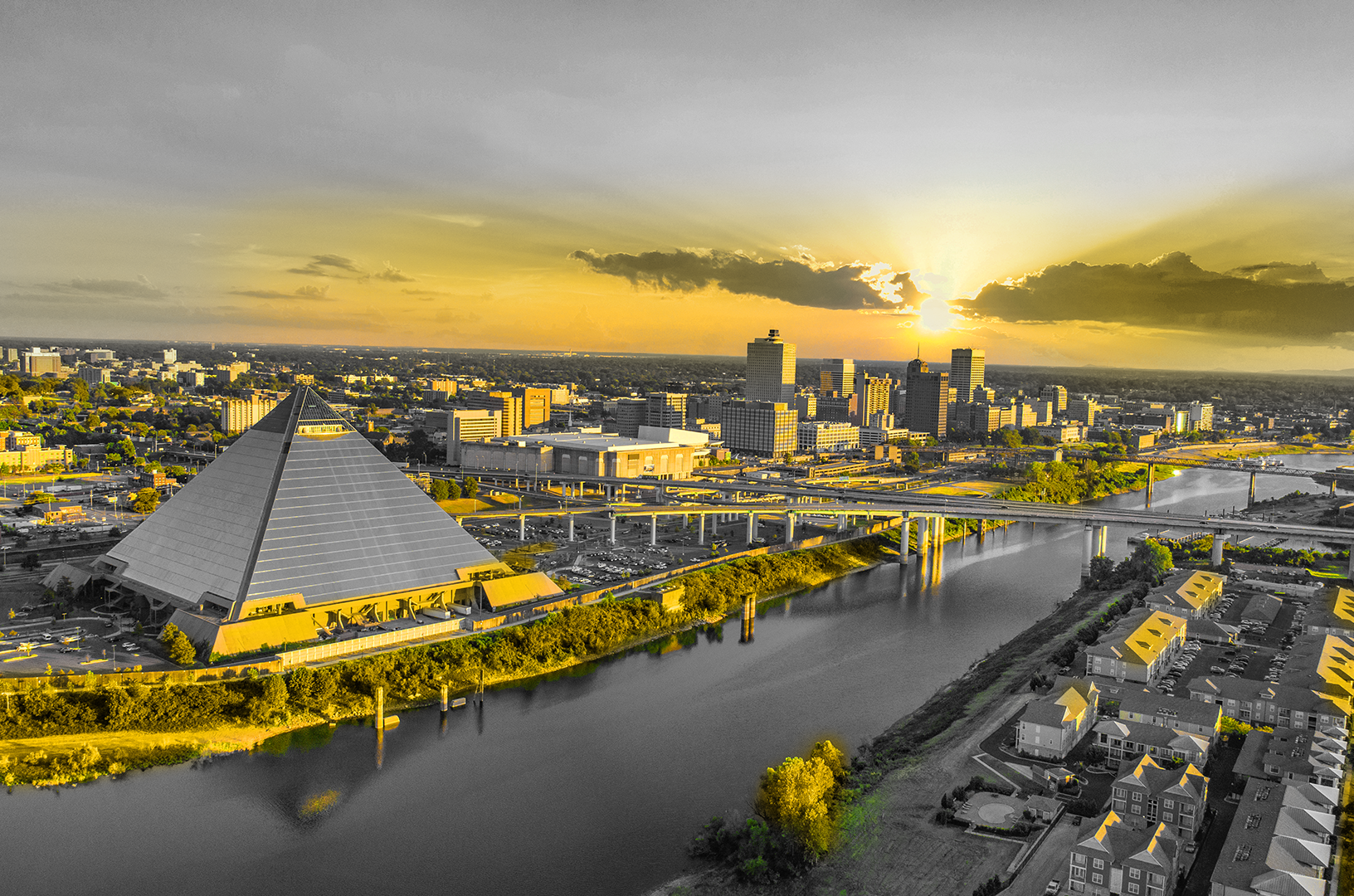
Memphis functions as a major national freight hub due to its multimodal connectivity.
In addition to being home to a major air cargo gateway, Memphis offers strong rail, highway, and river access. Its central location allows efficient distribution across the Midwest and Southeast.
Beyond parcel operations, the region plays a significant role in LTL, truckload, and air freight distribution networks.
Louisville has developed into a major freight and air cargo hub, anchored by one of the largest global air logistics facilities in the U.S.
While widely recognized for parcel operations, the region also supports large-scale freight distribution and time-sensitive cargo networks.
Its central geography enables efficient next-day reach across much of the eastern United States.

Dallas–Fort Worth has emerged as one of the fastest-growing freight and warehousing markets in the U.S.
Its central positioning allows next-day truck service to a large percentage of the U.S. population. Combined with strong rail connectivity, inland port development, and a robust highway network, DFW functions as a national distribution pivot point.
The region also plays a key role in cross-border freight flows with Mexico.

Houston is home to many influential retailers such as Ikea, Wal-Mart, Home Depot, and Ford. More large retailers are opening up distribution centers in the city thanks to the increased traffic through Port Houston. The city’s access to the Gulf of Mexico makes it a great location for distribution companies looking to expand.

When expanding into Mexico, Laredo is an ideal city to consider for setting up a distribution facility. Its strategic location near manufacturers in Northern Mexico makes it a standout choice. With transportation as one of the top job sectors in the city, there is also access to a large pool of skilled employees. While Laredo is not the largest city in Texas, it has firmly established itself as a key player in Mexico–U.S. distribution.

The LA/Long Beach area is the second-largest metropolitan area in the United States. Retailers want and need, to be in this city, providing tons of opportunities for distribution centers. Its coastal location also provides the city with the opportunity to import and export to the rest of the Pacific Rim. LA is also close to the US/Mexico border, making it centrally located for cross-country transportation.

Although not a specific city, the north and central regions of New Jersey are some of the best areas for distribution. Northern New Jersey allows for easy sea, air, rail, and road travel. The New York/New Jersey port is also the largest on the East Coast and third largest in the whole country. It also offers more space and affordable retail than in New York. Central New Jersey is a top location for distribution centers thanks to its centralized location. Centers here are able to reach 40% of the US population within a days drive.

As supply chains continue to evolve, distribution strategy must remain aligned with infrastructure realities, freight flows, and multimodal connectivity.
While emerging markets may gain traction due to e-commerce growth and regional decentralization, established freight hubs such as Chicago, Dallas–Fort Worth, Los Angeles/Inland Empire, and North New Jersey will continue to anchor national distribution networks due to their scale and connectivity.
The most effective distribution strategies are not built around trends alone, but around structural freight capacity, access to population centers, and long-term infrastructure investment.
At TRAFFIX, we help clients evaluate distribution networks through that lens, ensuring that location decisions support both cost efficiency and long-term supply chain resilience.
Contact us to learn how we can help streamline transportation and logistics for your company.