The Benefits Of Using An IMC For Intermodal Shipments
Read More
Published: August 2, 2023
Last Updated: June 1, 2026
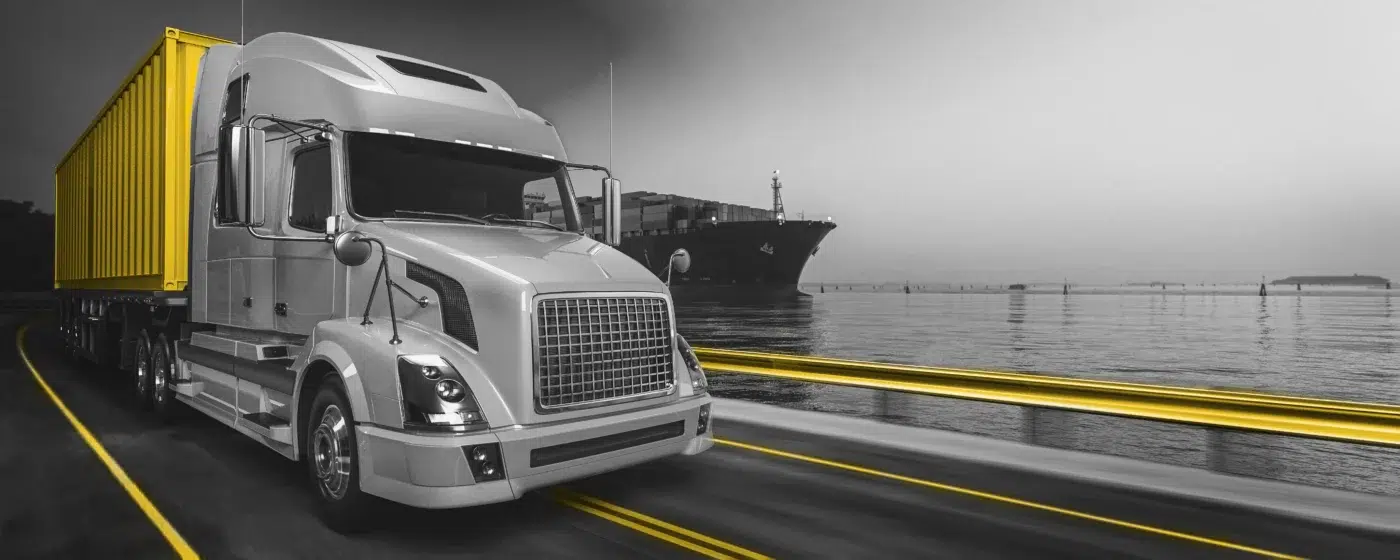
In the vast and intricate world of logistics, moving goods from one point to another is a highly complex process involving various modes of transportation. Supply chains involving the use of ocean or rail depend on drayage services to link shippers and receivers to ocean ports and rail ramps. According to the Intermodal Association of North America (IANA), 95% of all manufactured goods worldwide utilize drayage services at some point in the supply chain.
Drayage transportation refers to the movement of containerized cargo between ports, rail terminals, container yards, warehouses, and distribution centers. These moves are typically short-haul but can occasionally cover longer distances.
Drayage is a vital link in the supply chain, and when it is not executed properly, the consequences can quickly ripple downstream. When containers are not retrieved on time from ocean ports or rail ramps, demurrage and per diem charges begin to accumulate, appointments may be missed, and stockouts or line-down scenarios become a real risk. Delays at the port can quickly turn into expensive problems throughout the supply chain.
This guide explains what drayage is, how it works, and why it plays an important role in moving freight between ports, rail terminals, and nearby facilities.
Drayage refers to the transportation of containerized cargo between shippers and ocean ports or rail terminals, as well as from these ports or terminals to the final receivers. These moves are typically short-haul, covering short distances within a region, but they can occasionally extend to longer distances depending on the logistics needs.
Freight shipped by ocean or rail requires the use of containers. For this reason, drayage utilizes standardized equipment designed to transport containers to and from ocean ports and rail terminals without requiring them to be destuffed and transloaded.
Drayage operations are shaped by a set of operational pillars:
When these elements are aligned, containers move predictably; when they are not, delays and cost exposure become almost inevitable.
Drayage services can be classified into several categories, each serving specific purposes within the logistics industry:
The inbound drayage process begins when a container arrives at a port or rail terminal.
Before the container can be retrieved, several conditions must be met:
Once availability is confirmed and all pre-pickup conditions are met, the inbound move sequence typically flows as follows:
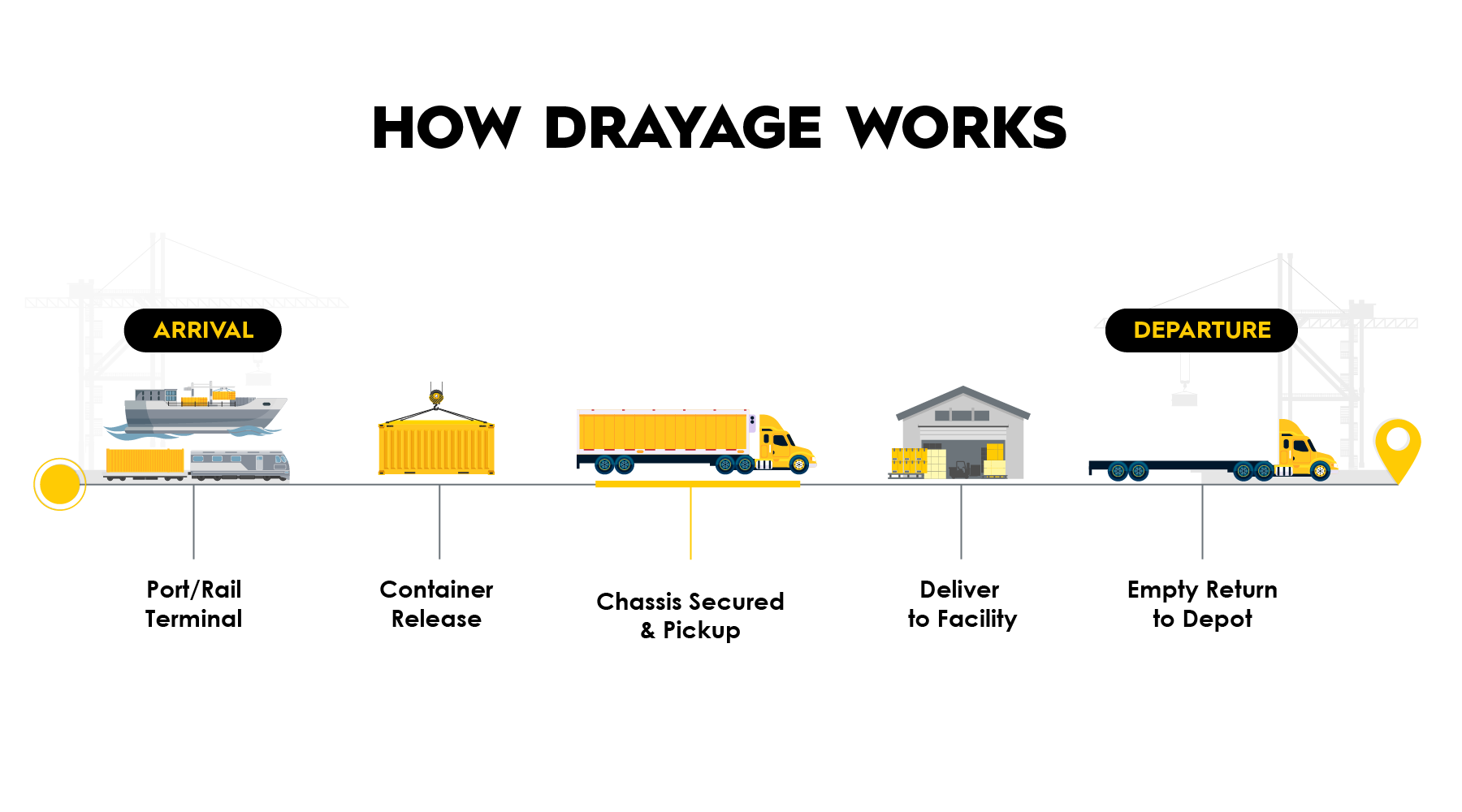
Drayage breakdowns most often occur when these steps are treated as isolated transactions rather than as a connected system.
Drayage transportation serves as a critical link between major transportation modes, ensuring freight moves efficiently through the supply chain rather than becoming bottlenecked at ports or rail terminals.
While typically short-haul, drayage plays a high-impact role, as delays can trigger demurrage charges, per diem fees, missed sailings or rail connections, and downstream supply chain disruption.
The seamless functioning of ocean, rail, and even truckload shipping often hinges on drayage, making it a key factor in determining whether freight moves smoothly or stalls at critical gateways.
Import drayage focuses on moving inbound containers from ports or rail ramps to inland facilities – receivers, distribution facilities, or third-party warehouses. The primary challenges involve access to drayage capacity and the required chassis, delayed customs clearance, port congestion, appointment availability, and empty return coordination.
Export drayage operates under different constraints. Empty containers must be positioned at shipper facilities, loaded, and delivered to the port or rail ramp before cutoff deadlines. Missing these windows can result in rolled shipments and added cost.
With overseas export drayage, shippers often load containers as freight is produced, which can result in containers being only partially filled before they are sent to the port. Once these containers arrive in their destination country, they must be transported to their destination.
Partially filled containers can significantly increase transportation costs, as more containers than necessary are used to move the freight inland. To address this, solutions like TRAFFIX’ Destination Container Management, which often includes destuffing and consolidating containers, can lead to substantial cost savings.
Drayage pricing is not based on mileage alone. It reflects a combination of:
Line haul rates are based on several factors including distance between points, commodity and shipment weight.
A fuel surcharge (FSC) is the additional fee added to the line haul rate based on fluctuations in fuel prices.
As with other transportation services, pricing fluctuates based on location-specific demand and equipment availability.
Additional fees that can impact your drayage costs include:
A fee charged by the port or terminal when a container stays beyond the allotted free time after unloading from a vessel.
A daily charge from the container owner (typically the steamship line) when equipment is not returned within the agreed time frame.
A charge for the use of a chassis to transport a container over-the-road.
A fee charged when a container is dropped for unloading rather than being live-unloaded at delivery.
An added cost due to delays or inefficiencies at ports or terminals caused by heavy traffic or operational backlogs.
A fee for moving a container from the port to a nearby yard temporarily to avoid demurrage charges.
Fees for services that require extra care, equipment, or labor, such as handling oversized or hazardous cargo.
Other fees could include port appointment fees, detention fees, genset fees, overweight surcharge, out-of-route/mileage fees, or bobtail fees.
While some fees are unavoidable, a strong drayage partner will:
Drayage rates are influenced less by distance and more by timing, equipment availability, and regional demand pressure.
Because drayage operates within constrained gateway environments, rates are influenced less by distance and more by timing, equipment availability, and regional demand pressure.
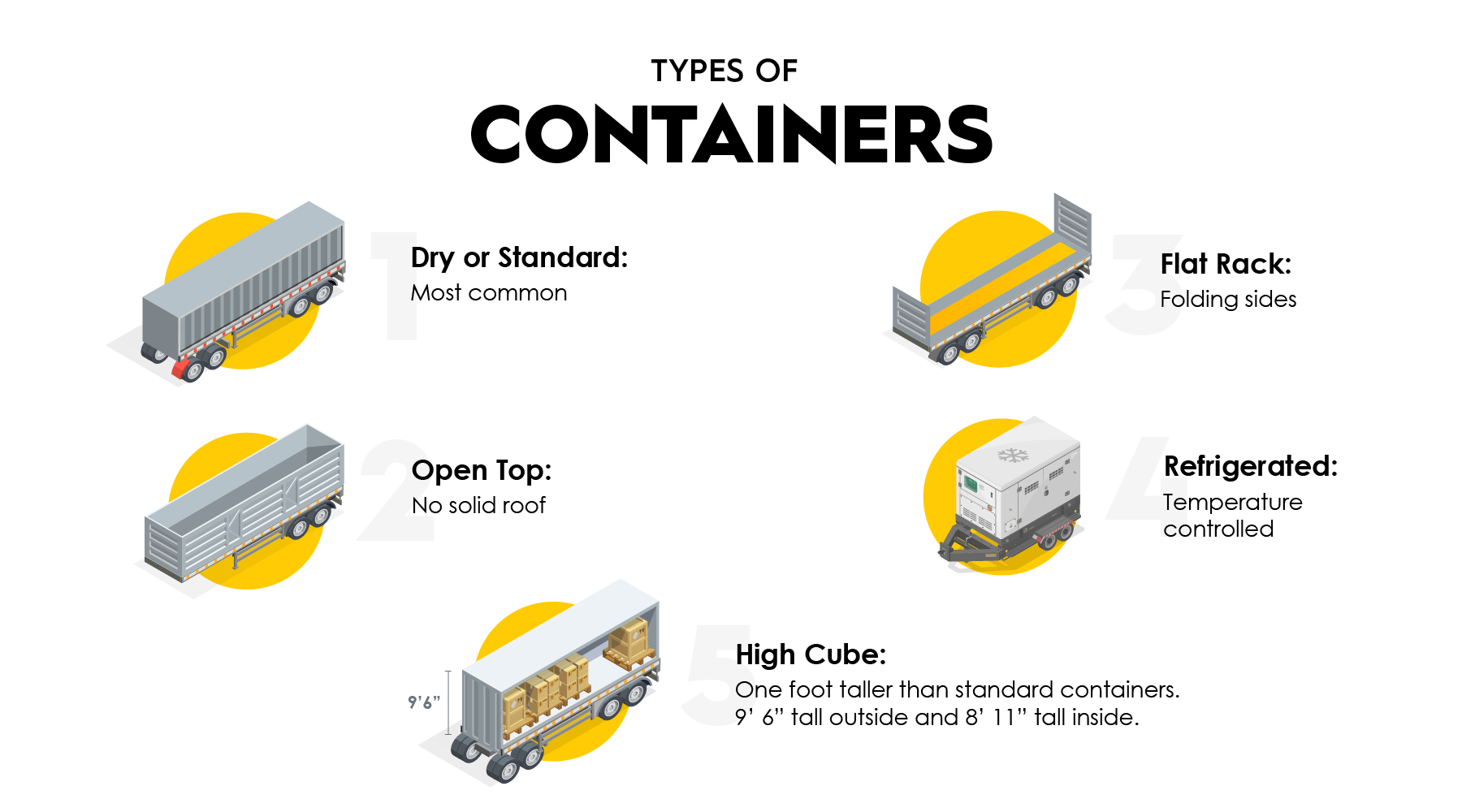
Shipping containers can range from 6-8.5 feet tall and usually come in lengths of 20, 40, or 45 feet. These containers are available in standard sizes to facilitate loading, unloading, and shipping across various modes of transportation. They are usually made of aluminum or steel and come in several different types, including:
All drayage moves are subject to weight distribution and road regulations based on jurisdiction and equipment type. A reliable drayage partner will guide you in selecting the right chassis for your container and ensure compliance with any regulations specific to the shipping lane.
Chassis availability can create significant supply chain bottlenecks. Without the right equipment, outbound containers may miss sailings or rail departures, while inbound containers could remain at the port or rail terminal beyond the last free day, incurring unnecessary demurrage and per diem fees.
A strong drayage partner will have reliable access to chassis capacity and proactively secure the necessary equipment ahead of container availability at the port or rail ramp.
Drayage is more than just a link in the supply chain – it’s a critical step that ensures freight moves efficiently through key transportation hubs.
By understanding the complexities of drayage, from equipment availability to compliance and timing, businesses can better navigate potential challenges and avoid costly delays.
With the right strategies and partnerships in place, drayage can become a seamless and reliable part of your logistics operations, keeping your supply chain moving and your goals on track.
When access, timing, and control are aligned, containers flow seamlessly through the supply chain, ensuring efficiency at every step.
A clear understanding of drayage empowers shippers to optimize operations and maintain smooth movement within global and intermodal supply chains.
No. Drayage applies to any intermodal move including ocean, rail, and air cargo movements.
Demurrage and per diem charges are common because containers do not move instantly through the supply chain. They pass through high-traffic facilities like ports and rail terminals, where timing, space, and equipment are carefully managed.
When a container arrives, it is typically assigned a limited amount of “free time” for pickup or return. Delays – such as congestion, missed appointments, customs holds, chassis shortages, or scheduling conflicts – can extend this timeframe.
Once the container exceeds its allotted free time, charges are applied:
With so many moving parts and multiple stakeholders involved, small delays can quickly add up. As a result, these charges are not rare exceptions but a frequent consideration in container shipping.
Drayage can – and should – be planned in advance, even though it is often approached reactively by many shippers.
Key elements of drayage can be coordinated ahead of time, including:
However, drayage also involves real-time variables, such as port congestion, delays, or equipment availability. This means it requires both proactive planning and ongoing coordination.
While not every factor can be controlled, the more drayage is planned in advance, the more predictable and cost-efficient the process becomes.
Drayage is typically short-distance, but it is not strictly defined by a specific mileage.
What defines drayage is not the distance traveled, but its function within the supply chain ➡️ connecting major transportation modes such as ocean, rail, air and truckload. In most cases, this involves local or regional moves – often within the same metropolitan area or between nearby hubs.
That said, some drayage moves may extend farther, such as from a port to an inland rail ramp or warehouse. For this reason, drayage is best described as short-haul transportation defined by its role, rather than its distance.