




Adaptability: A Key Driver for a Successful Broker-Shipper Partnership
Read More
Published: January 13, 2026
Last Updated: June 1, 2026
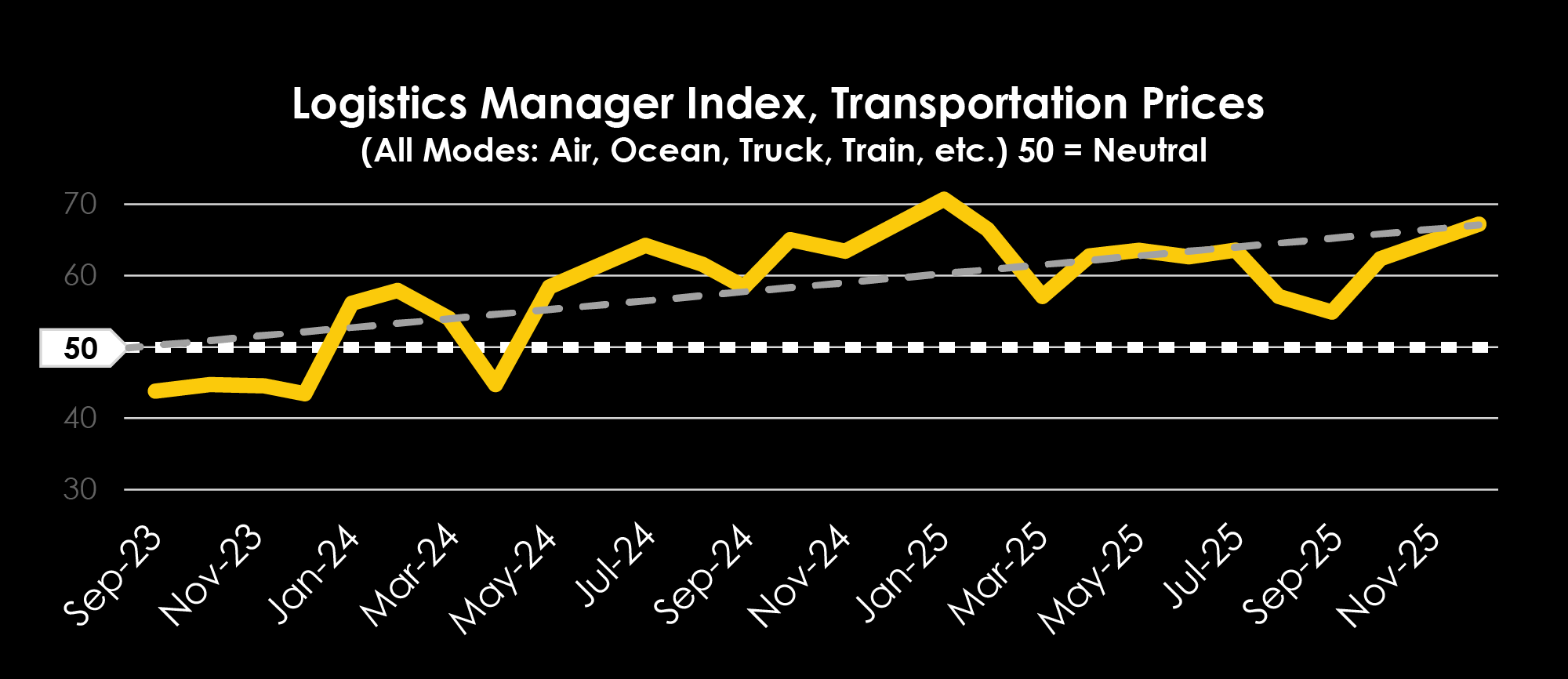
Transportation costs rose through the end of 2025 and into early 2026, even though overall freight demand and manufacturing activity remain slow. This means freight prices during peak 2025 increased not due to strong demand, but because fewer trucks were available.
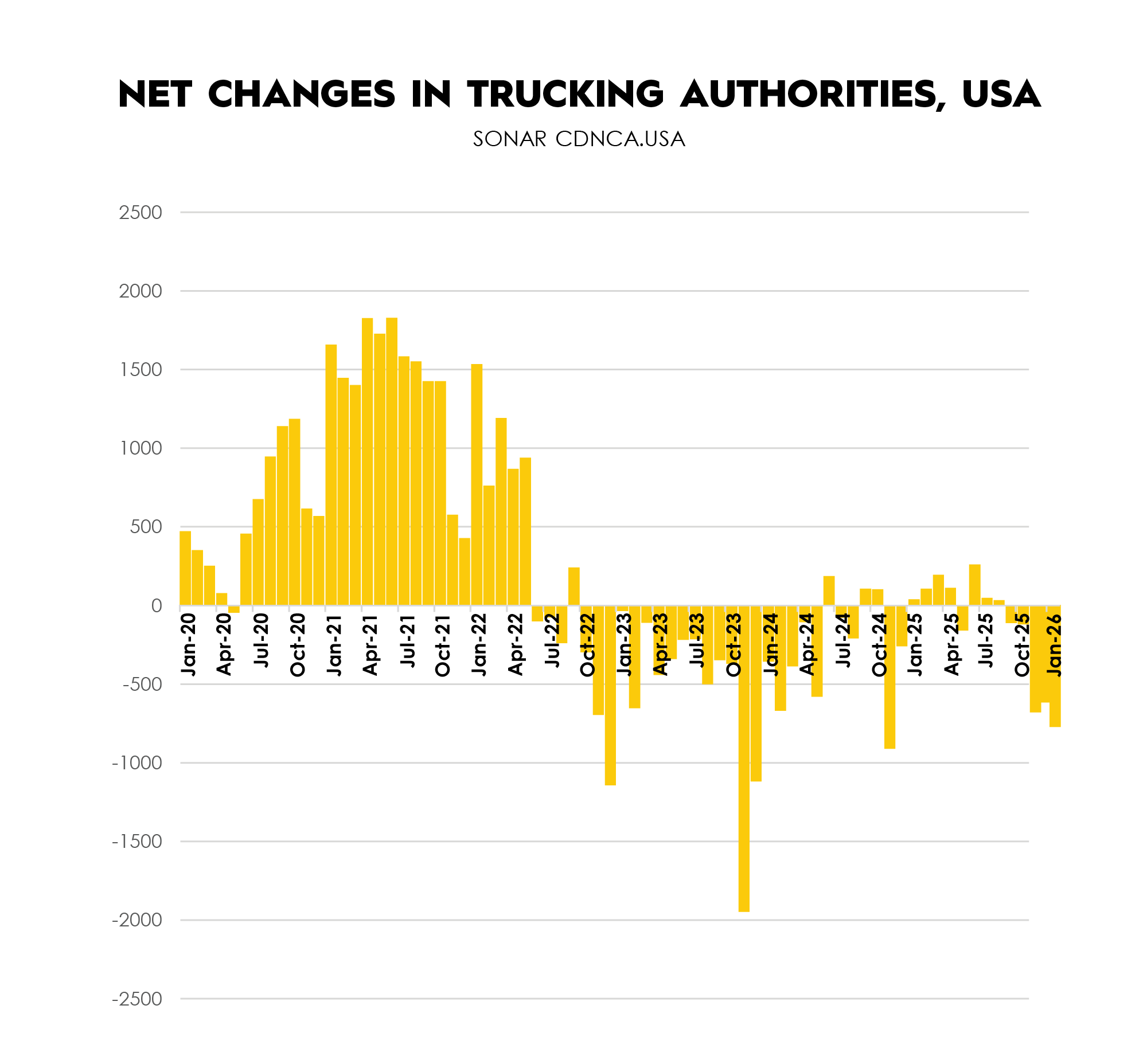
Carriers continue to leave the industry as low rates, higher operating costs, and tighter regulations make it harder to stay profitable. After a relatively stable summer, the number of active trucking companies declined again late in the year and into January, reducing available capacity.
While freight demand remains soft today, the market no longer has much excess capacity. That means when demand does pick up, whether from seasonal shipping, weather events, or inventory restocking, rates are more likely to rise quickly.
As the market moves into 2026, conditions appear stable on the surface but are increasingly sensitive to change, with a greater risk of sudden rate increases.
The Transportation Price index increased each month in Q4, with the LMI ending at 66.8, matching December 2024. This indicates rising transportation costs even as demand remained muted. Transportation capacity fell to its lowest level in four years, as the holiday surge could not be absorbed by a shrinking carrier base.
Source: LMI
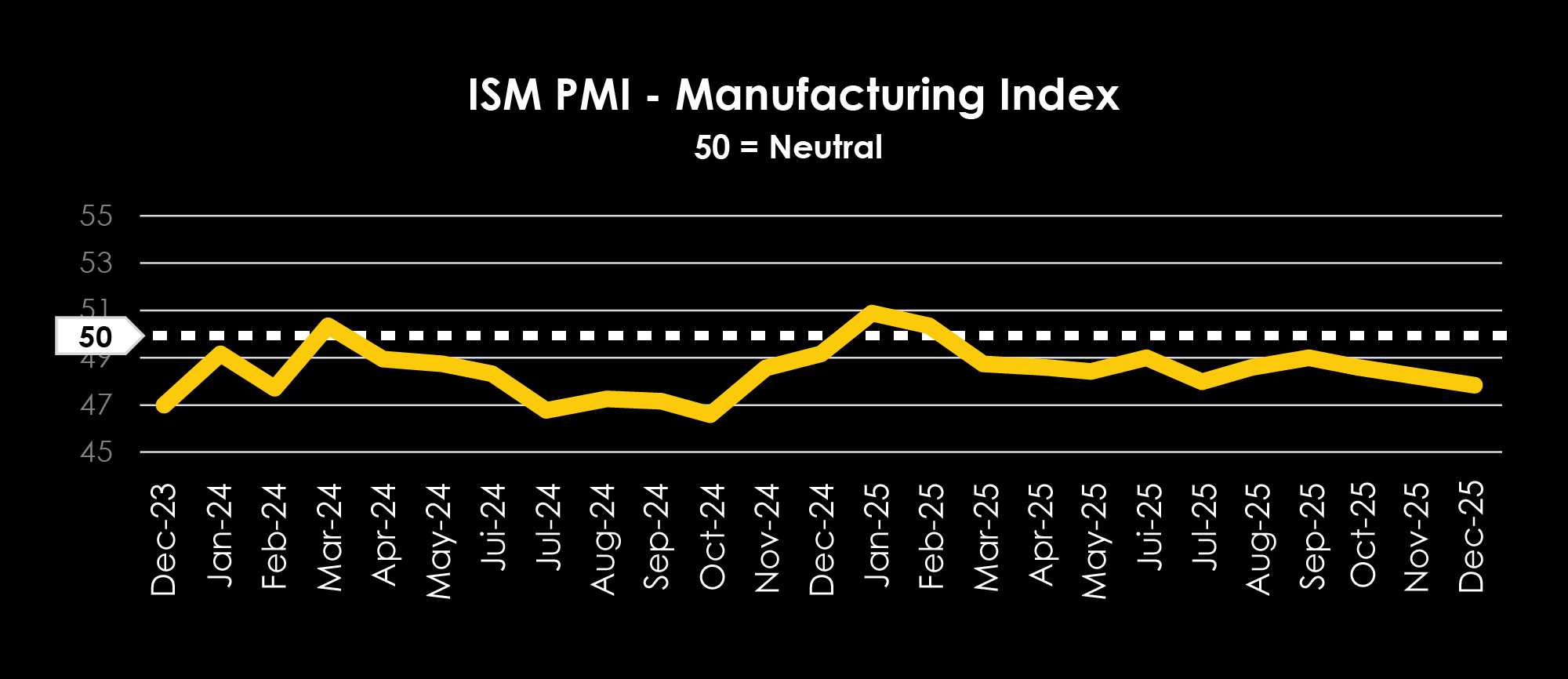
U.S. manufacturing continued its multi-year contraction. While computer and electronic products expanded modestly, most sectors declined, reflecting cautious inventory management and delayed restocking tied to trade policy uncertainty.
Source: PMI

Low rates and elevated operating costs continue to drive carriers out of the market. After a stable summer, net trucking authorities declined again in November, December, and early January, confirming that carrier exits have resumed.
In addition to financial pressure, increased regulatory enforcement, including English-language requirements and non-domiciled CDL rules, presents further downside risk to available capacity, though impacts remain uneven by region.
Class 8 truck orders reached a three-year high in December, but this reflects delayed fleet replacements rather than net capacity growth. If capacity continues exiting at recent rates, the market will become increasingly vulnerable to rate increases when demand rises.
Source: FreightWaves SONAR – Jan 8, 2026; Class 8 Orders
(A/F = Actual / Forcasted)
Source: FreightWaves SONAR – Jan 8, 2026


Dry van rates should remain mostly stable, with higher risk of short-term volatility. Continued capacity exits reduce shock absorption, making weather events and brief demand spikes more likely to trigger temporary rate increases.

LTL conditions are expected to remain stable near term. Regional capacity reductions and announced rate increases may support firmer pricing discipline, though mixed realization and balanced fundamentals limit near-term increases.

Flatbed demand should remain seasonally stable through Q1. Improving construction and housing activity could create upward rate pressure later in Q2, representing upside risk rather than a near-term expectation.

Reefer capacity remains tight entering winter, with elevated protect-from-freeze premiums. Weather-driven disruptions are expected to create episodic rate spikes rather than sustained upward pricing trends.

Intermodal markets remain stable, with modest contract increases and steady transactional rates. Potential import growth may add pressure, but current network conditions suggest capacity can absorb near-term demand.

Drayage demand is expected to soften in Q1 with seasonal import slowdowns. Rates should remain steady, with selective discounting possible until clearer trade policy direction supports volume recovery.

Canada–U.S. cross-border capacity remains available with sufficient lead time. Rates are expected to move largely in line with broader North American truckload trends over the next several months.

U.S.–Mexico cross-border conditions should remain stable through Q1. USMCA discussions and enforcement changes pose volatility risk, but no major near-term disruptions are currently expected.

Shippers are focused on rightsizing inventories to manage tariff exposure while maintaining service levels and avoiding stockouts. Because inventories declined in Q4, more warehouse space is available than a few months ago.
Three Scenarios for Q1 2026 Freight Planning
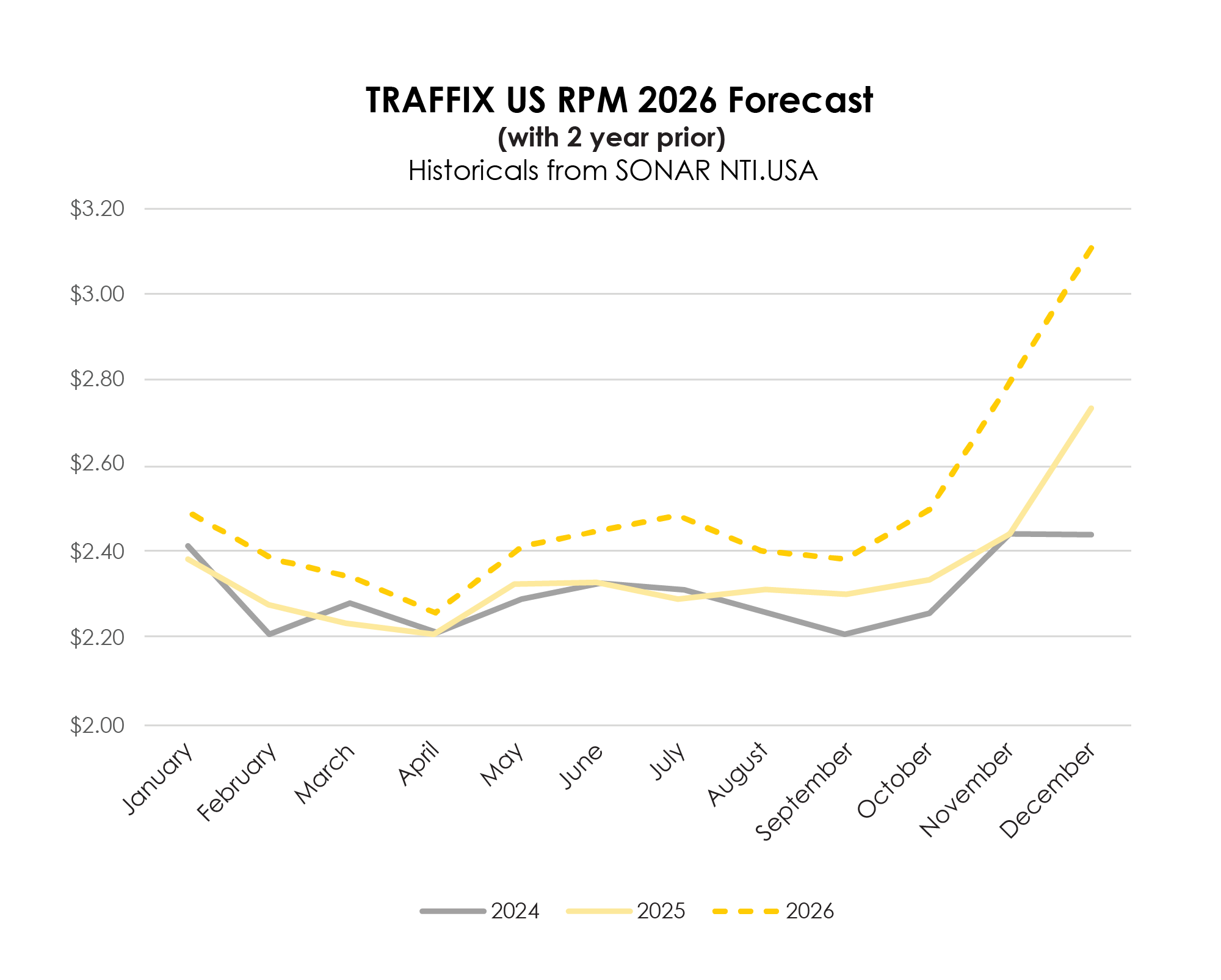
Budget conservatively for mid-single-digit freight inflation in 2026, with limited relief after Q1. The primary risk is asymmetric impact, where even modest demand growth drives outsized rate increases due to reduced capacity. Monitor volumes, housing activity, and trade policy closely, as these will determine the speed and severity of rate escalation.

Rates may remain stable early, but reduced capacity creates risk for rate increases once demand improves. Budgeting should assume faster escalation later in 2026.

Use current rate stability to rebalance modal mix, including intermodal and regional carriers, to reduce exposure during peak and seasonal tightening.

As inventories normalize, demand could rebound quickly. Strengthen carrier partnerships and position contract capacity before the next restocking cycle.
"*" indicates required fields