Solar Panel Packaging & Handling Best Practices
Read More
Published: October 9, 2026
Last Updated: October 8, 2026
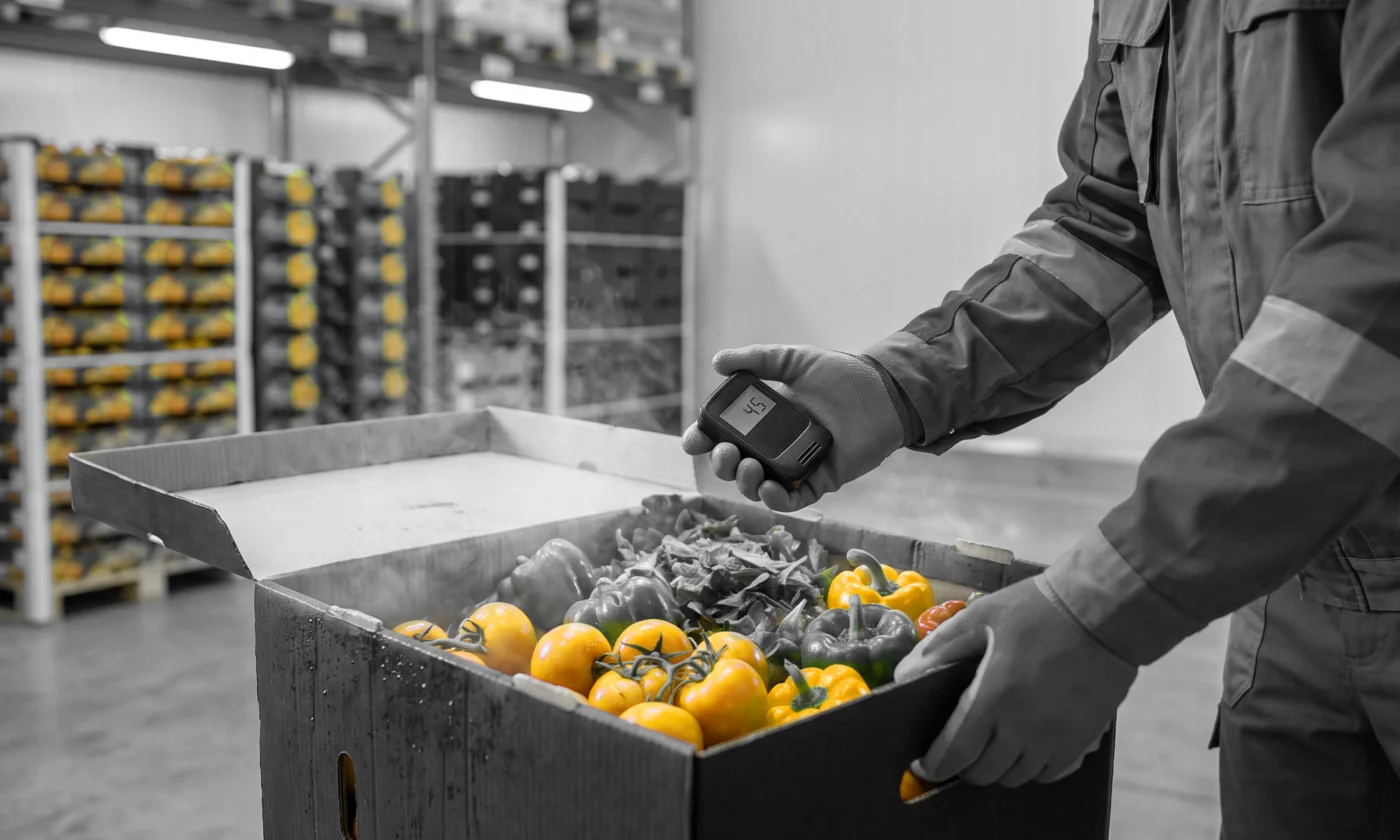
When a perishable shipment reaches the U.S.-Mexico border, it may go through customs clearance, regulatory inspections, staging, and in some cases a carrier or equipment transfer before continuing to its destination. Throughout that process, refrigerated equipment and temperature-monitoring procedures help maintain the conditions required for the product.
For shippers, the key questions are: Will the product need to be inspected? Could it change carriers or equipment at the border? How is temperature maintained during a delay or handoff? And does the border crossing itself matter?
The answers depend on the commodity, direction of travel, regulatory requirements, and how the shipment will move through the border. Understanding those details before pickup helps shippers plan the crossing, coordinate the right resources, and maintain the cold chain from origin through final delivery.
There are two main ways a perishable shipment may be inspected at the border: an inspection may be required based on the commodity and applicable regulations, or the shipment may be selected for inspection by the responsible government agency during the import process.
The first step is to determine which requirements apply to your specific product. The commodity, country of origin, direction of travel, and applicable regulations can determine whether an inspection is mandatory and what documentation, permits, or certificates are required.
For shipments entering Mexico, products of plant, animal, aquaculture, or fishery origin may be subject to requirements established by SENASICA. Depending on the commodity, the import process can include documentation requirements, permits or certificates, and a physical inspection at an authorized point of entry.
For shipments entering the United States, different agencies may be involved. FDA-regulated food generally requires Prior Notice before arrival, and shipments may be selected for inspection at the port of entry. For food arriving by road, FDA generally requires Prior Notice at least two hours before the shipment reaches the port.
Fresh fruits, vegetables, and other plant products can also be subject to USDA APHIS requirements, which can include permits, phytosanitary requirements, treatments, inspections, or restrictions on the ports through which the product can enter.
How do you know what applies to your shipment? Before booking transportation:
If an inspection is required or the shipment is selected for one, officials may review documentation, verify shipment details or seals, physically examine part of the cargo, or collect samples. The shipment may also need to move to an authorized inspection location before continuing through the border.
For refrigerated shipments, the reefer can continue maintaining the required temperature whenever possible during the inspection. If the trailer needs to be opened or the cargo handled, temperature requirements should remain part of the inspection and handling plan.
Identifying these requirements before dispatch helps shippers plan the appropriate crossing, prepare for any inspection steps, and build them into the transportation plan before the shipment moves.
During a customs inspection, the shipment is typically directed to an authorized inspection location where officials may review documentation, verify seals and shipment details, and physically examine the cargo when required.
The extent of the inspection can vary by commodity and agency; in some cases, inspectors may examine only a portion of the load or collect samples rather than unload the entire shipment.
For refrigerated freight, the reefer continues to maintain the required temperature whenever possible, and any necessary opening or handling of the cargo should be managed with the product’s temperature requirements in mind.
Once the shipment satisfies the applicable requirements and is released by the inspecting agency, it can continue through the border process and on to its destination.
Seals are another important consideration. Trailer seals are commonly used to help maintain shipment security and provide a record that the trailer has not been opened during transit.
However, an authorized government inspection may require the seal to be broken so officials can access the cargo. This does not automatically mean the shipment’s chain of custody has been compromised.
The original seal number, reason for opening the trailer and replacement seal should be documented so there is a clear record of the inspection, and the new seal can be verified when the shipment reaches its destination.
There is no standard amount of time shippers should expect a perishable load to spend at the U.S.-Mexico border. Crossing times can change based on current congestion, the port of entry, commodity, customs readiness, inspection requirements, traffic and whether the shipment changes carriers or equipment.
The best time to establish a realistic transit plan is when the shipment is booked. Your transportation provider can help you understand current conditions at the planned crossing, determine whether a carrier or equipment transfer will be required, and account for those steps when establishing the delivery timeline.
Your customs broker can review the shipment’s documentation and regulatory requirements in advance, helping identify missing or incorrect information that could delay clearance or increase the likelihood of additional review.
For recurring lanes, historical crossing times can also provide a useful planning baseline, but they should not be treated as a guarantee. Border conditions can change from one shipment to the next, so current conditions and shipment-specific requirements should still be considered each time.
For perishable freight, the goal isn’t to predict exactly how long the border crossing will take. It’s to understand the steps involved before the shipment departs and build a transit plan that reflects the conditions and requirements of that particular load.
Rather than building the delivery appointment around driving time alone, shippers should account for the expected border process when planning the end-to-end transit window.
A carrier change at the U.S. – Mexico border does not necessarily mean your perishable freight will be unloaded. Depending on how the lane is structured, a new driver or carrier may take over the same reefer trailer, or the product may be physically transferred into different equipment before continuing across the border.
If the trailer remains with the shipment, the cargo can stay sealed, and temperature controlled throughout the handoff. The incoming carrier or driver should receive the shipment’s temperature set point and reefer operating instructions, seal information, delivery requirements, and any relevant information from the first portion of the trip.
If the product is transferred to another trailer or transloaded via a cross-dock facility, the handoff becomes part of the cold chain.
The receiving equipment should be appropriate for the commodity and prepared to the required temperature before loading begins. The transfer process should also account for how the product will move between trailers, how long it will be exposed outside temperature-controlled equipment, and how temperature and seal information will be documented before the shipment continues.
Before booking, ask your transportation provider how the shipment will cross the border:
Understanding the handoff process in advance allows those requirements to be incorporated into the transportation plan from the beginning.
A border delay does not automatically interrupt the cold chain. If the product remains inside refrigerated equipment, the reefer can continue operating at the required set point while the shipment waits for customs clearance, an inspection, or the next stage of the crossing. During that time, the transportation provider should continue monitoring the reefer’s operation and temperature readings.
A physical inspection requires additional consideration because officials may need to open the trailer doors to access the cargo. When a refrigerated trailer is opened, warmer outside air can enter and cause the recorded air temperature inside the trailer to rise. That does not necessarily mean the product itself has reached the same temperature or has been compromised.
If a trailer is opened for inspection, maintaining a clear record of what occurred can be particularly valuable. Depending on the shipment and monitoring technology being used, that documentation may include:
Together, these records can help establish when a temperature change occurred, how long it lasted, and what happened afterward.
If the product must be physically transferred during the border process, the receiving refrigerated equipment should be prepared to the appropriate temperature before the transfer begins. Where available, temperature-controlled inspection, staging, or cross-dock facilities can also help limit unnecessary exposure to outside conditions.
If a temperature excursion raises concerns at delivery, the temperature history provides important context. A temporary increase in trailer air temperature does not by itself establish that the product was compromised. Depending on the commodity and circumstances, product temperature and other information may need to be evaluated before determining whether the shipment remains suitable for distribution.
Before pickup, shippers should confirm the required temperature range and monitoring expectations with their transportation provider and ask how temperature will be managed and documented if the shipment is delayed, inspected, or transferred at the border.
Yes. The closest border crossing is not always the best one for a perishable shipment. The commodity, regulatory requirements, available cold-chain infrastructure, carrier network, current border conditions, and final destination can all influence which crossing makes the most sense for the load.
Start with the commodity itself. Certain regulated products may need to enter through a port that is authorized or equipped to accommodate required inspections. If the shipment needs to be opened, staged, inspected, or transferred, the availability of refrigerated inspection areas, temperature-controlled facilities, and other cold-chain infrastructure may also influence the decision.
For example, the Pharr Port of Entry handles significant volumes of fresh produce moving from Mexico into the United States and offers refrigerated inspection infrastructure designed to support produce inspections while maintaining temperature-controlled conditions.
The transportation plan matters too. Your provider can help evaluate current congestion, available carrier and equipment capacity, whether a transload or carrier transfer will be required, and the distance from the crossing to the final destination. A crossing that is geographically closest may not provide the most practical end-to-end route for a particular shipment.
Before booking, ask your customs broker to confirm which ports can accommodate the commodity and any applicable regulatory requirements. Then work with your transportation provider to evaluate current border conditions, cold-chain capabilities, carrier availability, transfer requirements, and the remaining transit route before selecting the crossing.
Moving perishable freight across the U.S.-Mexico border is a routine part of North American trade, but each shipment can have different requirements depending on the commodity, direction of travel, inspection requirements, crossing and transportation plan.
Before the shipment moves, work with your customs broker to confirm documentations, regulatory requirements, and where the commodity can enter. At the same time, work with your transportation provider to understand current border conditions, how the freight will cross, whether a carrier or equipment transfer is required, and how temperature will be maintained and documented throughout the journey.
Understanding those details at the time of booking gives everyone involved a clear plan for how the shipment will move through the border and helps keep the cold chain intact from pickup through final delivery.
Planning a perishable shipment across the U.S.-Mexico border? Talk to a TRAFFIX cross-border expert.