The NAX Index – September 2026
Read More
Published: April 29, 2026
Last Updated: June 1, 2026
Produce transportation is the critical link that moves fruits and vegetables from farms to grocers and wholesalers across North America. Maintaining proper temperature control and coordinating timing across multiple touchpoints are essential to preserving shelf life and product quality.
This guide explains how produce transportation functions in real-world supply chains, where quality can be affected along the way, and what shippers can do to move freight more efficiently and confidently.
Unlike non-perishable or frozen freight, produce is biologically active. After harvest, fruits and vegetables continue to respire, release moisture, and respond to environmental conditions.
Transportation decisions directly affect:
Unlike dry or frozen freight, produce remains highly sensitive to trailer conditions throughout transit, with quality dependent on proper temperature control and airflow.
As a result, the role of transportation is not simply to move produce – it is to manage conditions to preserve quality while keeping product moving efficiently.
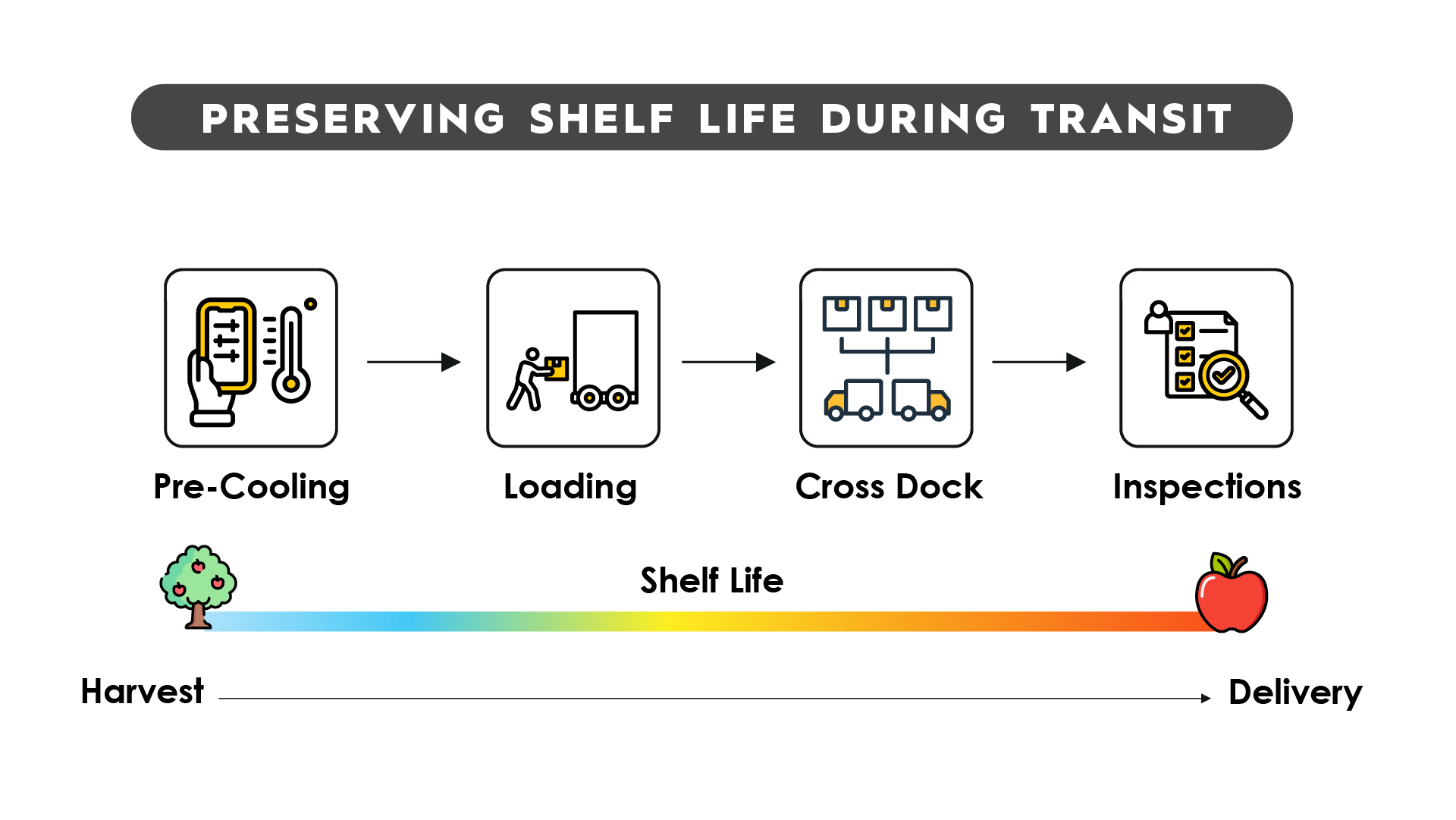
Shelf-life is influenced by factors such as time, temperature exposure, and handling conditions. Understanding where these variables come into play helps shippers better manage freshness throughout the journey.
The greatest impact on quality typically occurs during transition points – when produce is being moved, staged, or handled. With the right processes in place, these transition points can be effectively managed to help maintain freshness.
Key Points that Impact Shelf Life:
Proactive planning, including complete and accurate documentation, can help reduce delays and keep shipments moving efficiently.
Click here to learn more about best practices on transporting produce.
Maintaining the correct temperature setpoint is essential, but it is only one part of effective produce transportation. Compared to other temperature-controlled freight, produce is often more sensitive to small variations, making consistency throughout the trailer especially important.
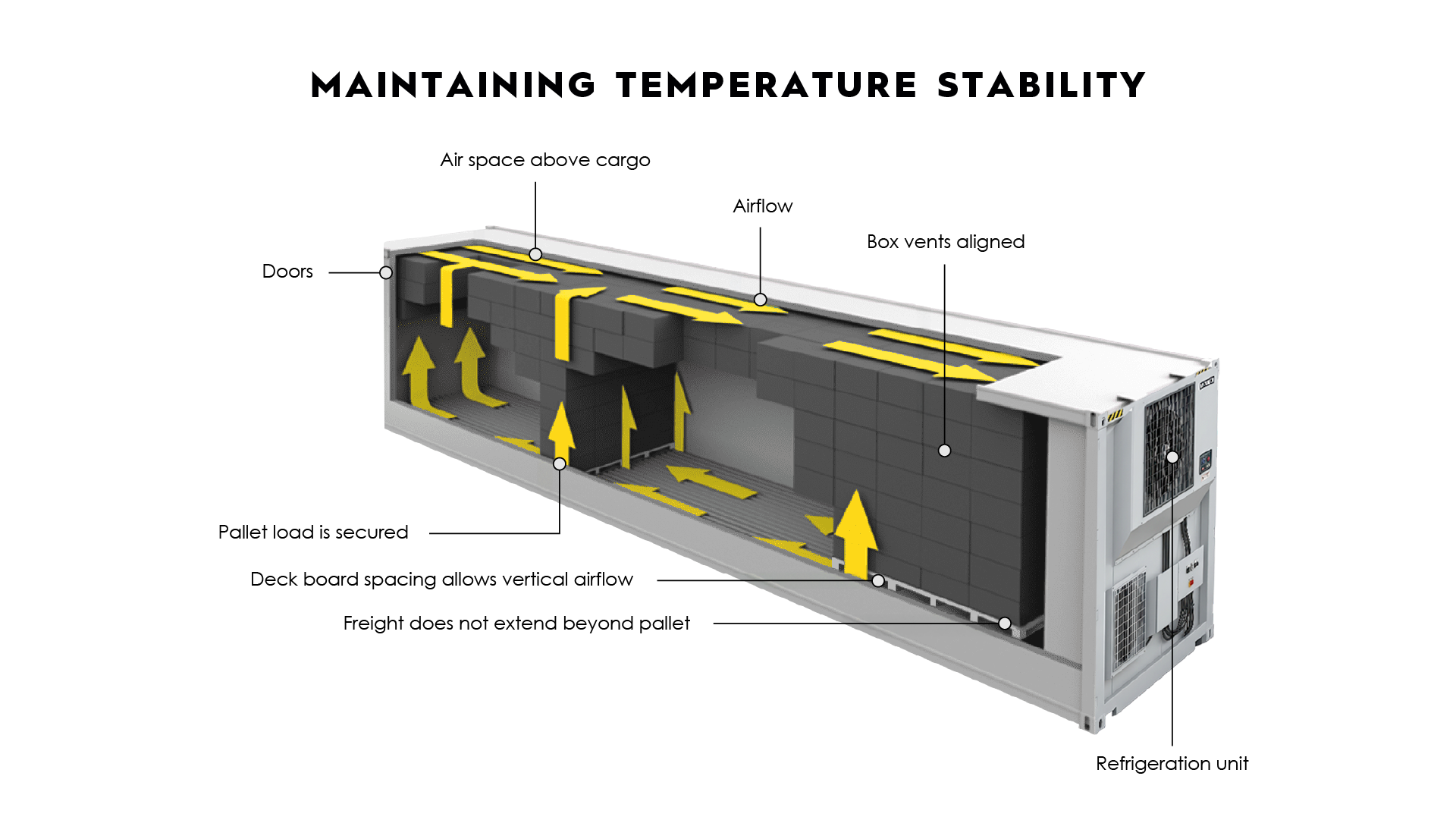
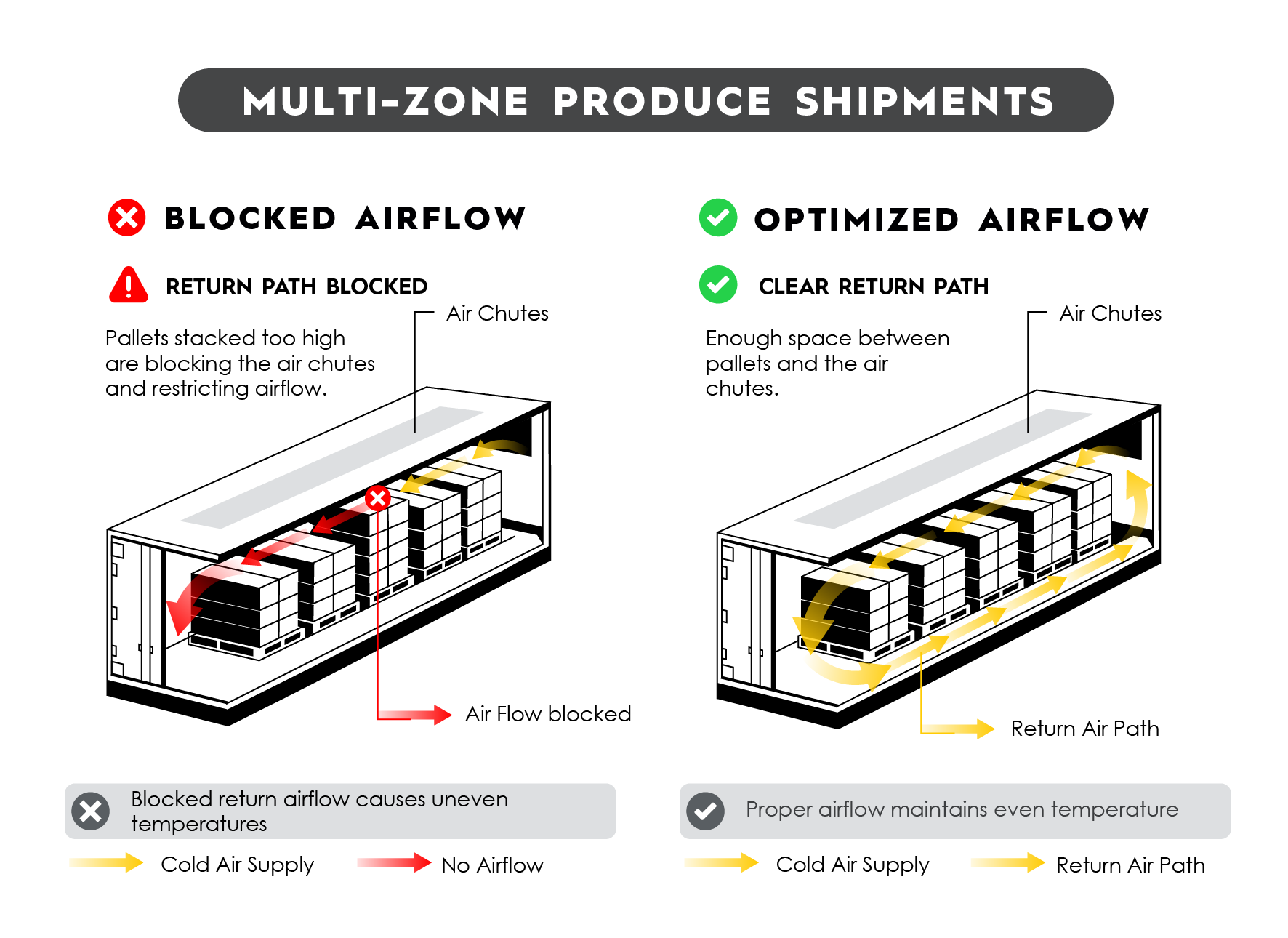
Proper airflow plays a critical role in maintaining that consistency. Refrigerated trailers are designed to circulate air continuously, but that airflow depends heavily on how the produce is loaded.
If pallets are packed too tightly, vents are blocked, or spacing is inconsistent, airflow can be restricted. This can lead to uneven temperature distribution within the trailer, where some areas remain within range while others are exposed to higher temperatures.
To support stable conditions in transit, it’s important to align three key factors:
Mixed produce loads introduce additional complexity beyond standard temperature management. Different commodities have unique requirements that must be considered together when sharing trailer space.
These variations include:
When incompatible products are combined, even small differences in these factors can influence ripening speed, moisture levels, and overall product quality during transit.
Successful mixed loads require intentional planning:
A single temperature setting alone is rarely enough to maintain consistent conditions across mixed freight.
When executed properly, mixed loads can move efficiently without compromising quality, but they depend on a clear understanding of how different commodities interact in transit.
Multi-zone reefers with load walls are sometimes used to separate commodities with different temperature requirements, but they are not recommended for most produce shipments.
While they can be effective in certain scenarios – such as short-haul moves, LTL shipments, or when transporting clearly incompatible products that must be separated (i.e. leafy greens and tropical fruit) – they introduce additional complexity.
Load walls can disrupt natural airflow within the trailer, making it more difficult to maintain consistent temperatures across each zone if not configured correctly.
In longer hauls or high-volume shipments, this can lead to uneven conditions that are harder to manage than a single, well-planned load.
For this reason, most shippers prioritize commodity compatibility and proper loading within a single-zone reefer, where airflow and temperature can be maintained more consistently throughout transit.
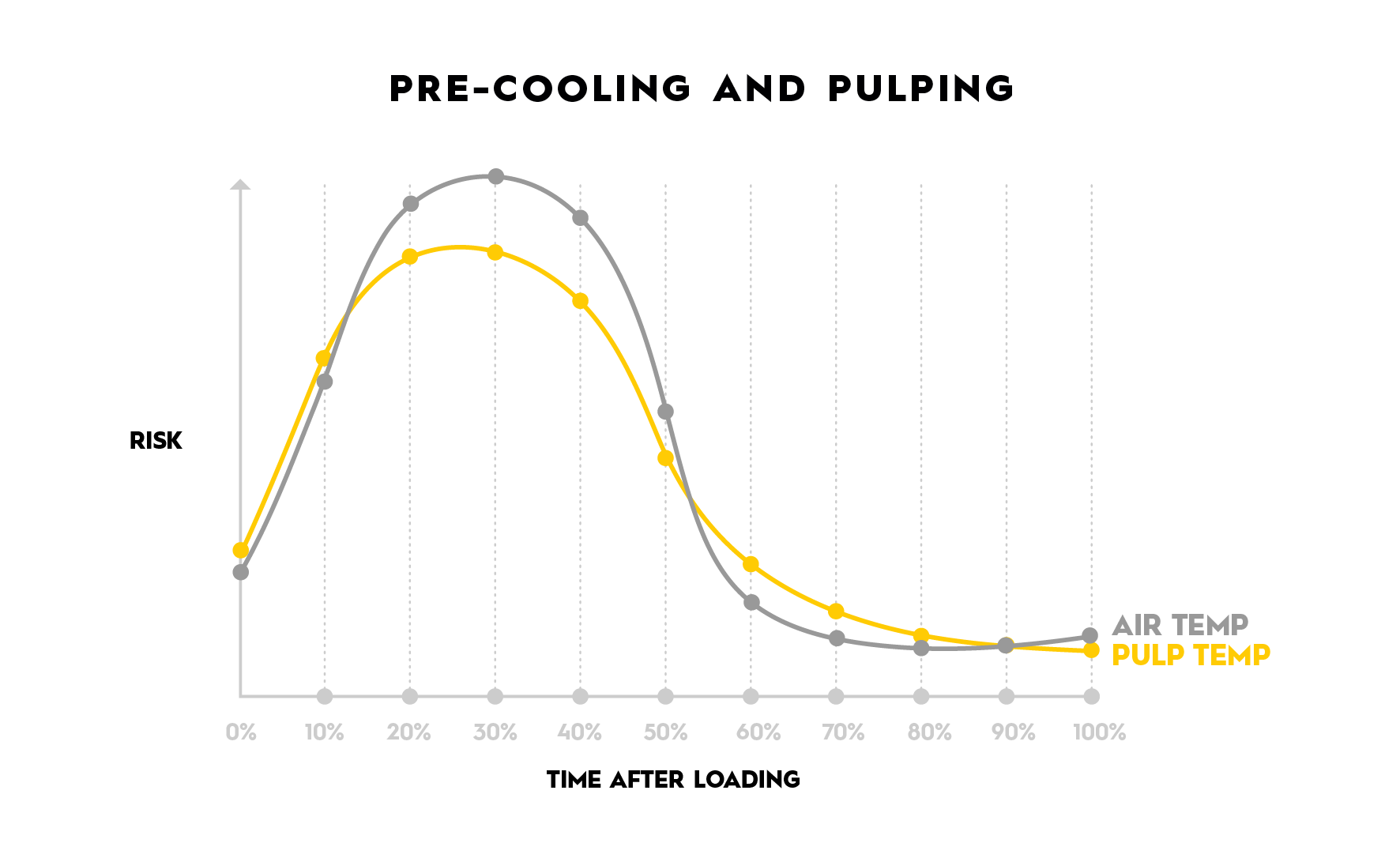
Pre-cooling both the product and trailer is a critical step in produce transportation. Removing field heat after harvest helps stabilize produce before loading and plays an important role in maintaining quality throughout transit.
If cooling is incomplete or inconsistent, produce may enter the trailer at a higher internal temperature than expected, which can affect both the produce itself and overall temperature consistency within the trailer.
While air temperature inside a reefer can stabilize relatively quickly, internal produce temperature takes longer to adjust. For this reason, relying solely on ambient readings may not provide a complete picture of the condition of the produce at loading.
Verifying internal temperature – measured as pulp temperature – before loading is an important step in confirming the product is within the desired range.
Common Pre Cooling Failures
When produce is loaded with elevated internal temperatures, natural metabolic activity remains higher in the early stages of transit. This can influence ripening rate and moisture retention as conditions stabilize.
Consistent pre-cooling practices and accurate temperature verification at origin help set the foundation for maintaining quality throughout the rest of the journey.
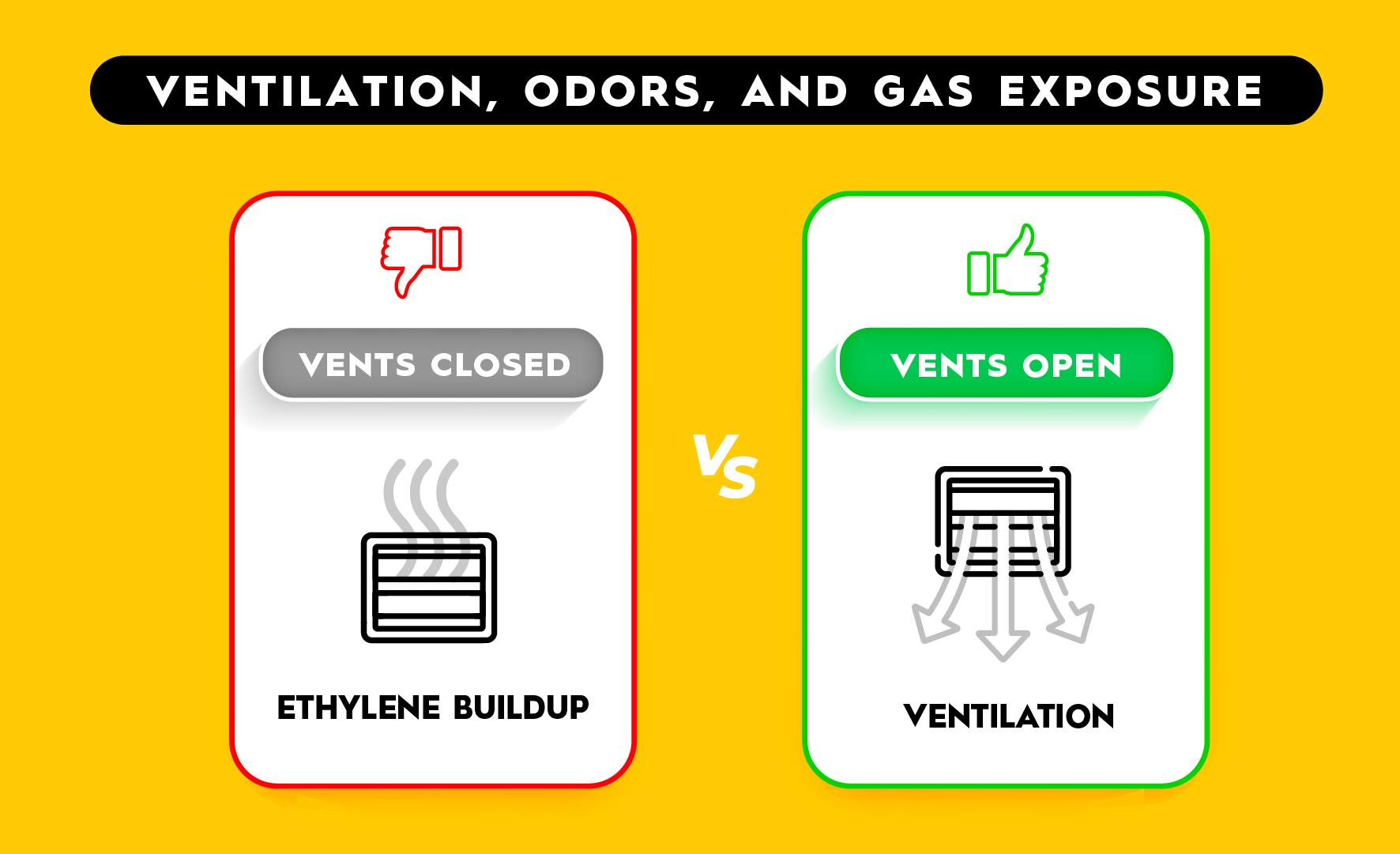
Ventilation settings play an important role in regulating respiration and gas exchange inside a refrigerated trailer. In addition to temperature control, proper ventilation helps manage the buildup of gases and moisture that naturally occur as produce continues to respire during transit.
Incorrect ventilation can influence in-transit conditions in several ways:
Ventilation also affects odor transfer, which is often overlooked. Many types of produce can absorb surrounding odors during transit, even when there are no visible signs of damage. This highlights the importance of proper gas management, as well as ensuring trailers are clean and free of residual odors prior to loading.
Because of these variables, ventilation settings should be adjusted based on the specific commodity or mix of commodities being transported. Standard or default settings may not always provide optimal conditions, particularly for more sensitive or high-respiration products.
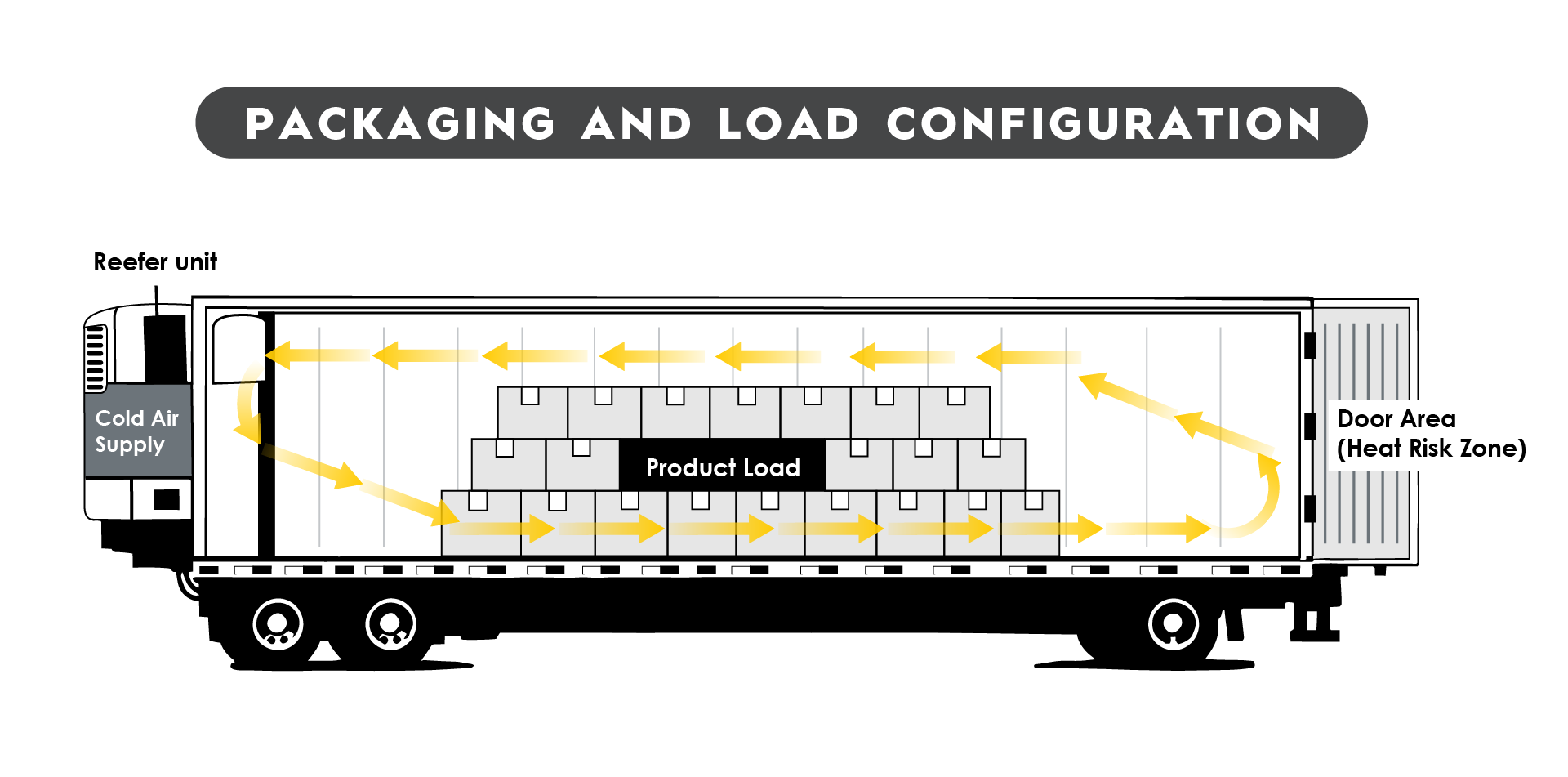
Packaging and pallet configuration directly influence airflow throughout a refrigerated trailer, impacting temperature consistency and moisture conditions.
Common issues include:
Even when temperature settings are correct, restricted airflow can lead to uneven conditions within the trailer, where some areas cool more effectively than others.
For this reason, transportation teams must understand how packaging design and pallet configuration interact with reefer airflow to help maintain consistent conditions across the entire load.
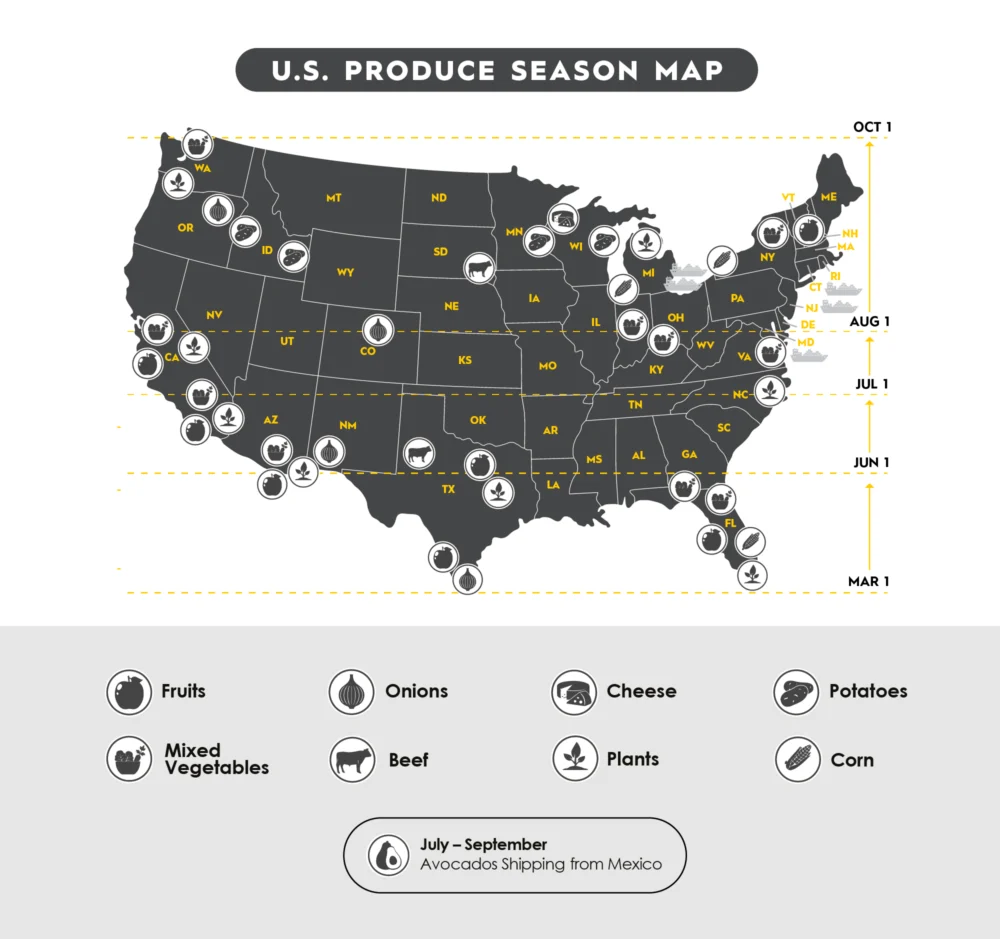
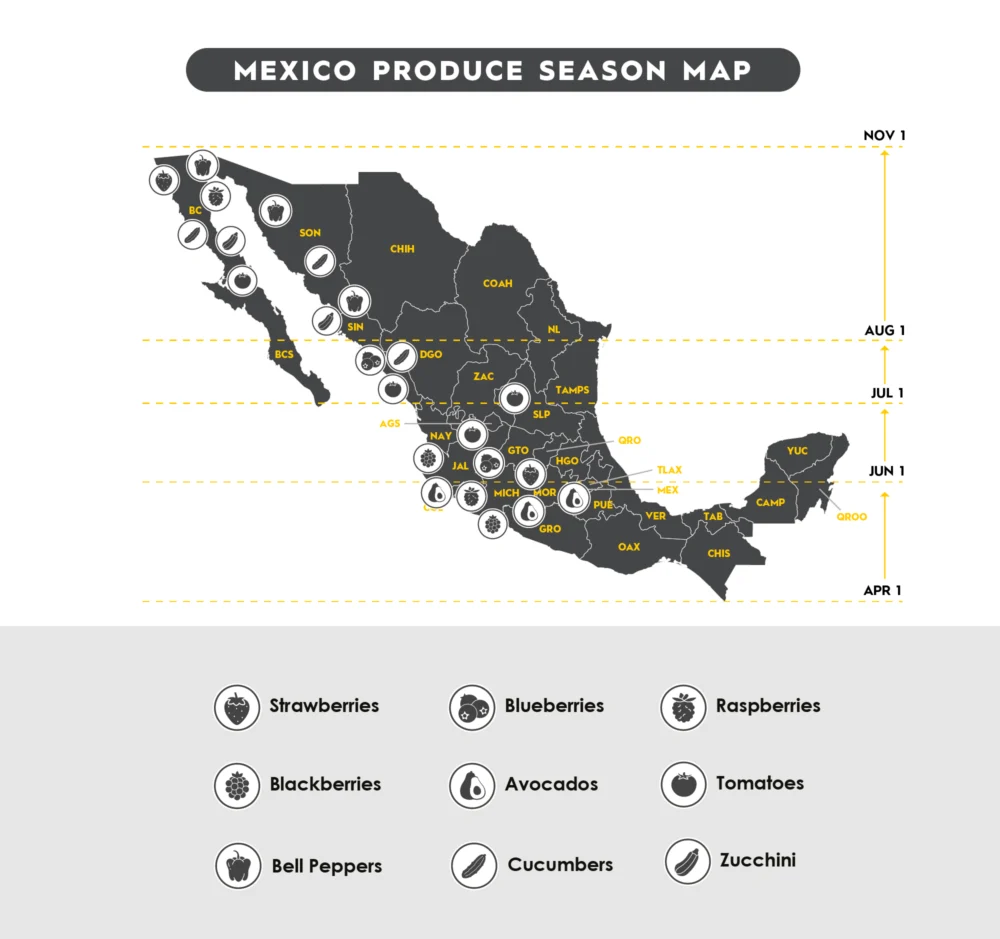
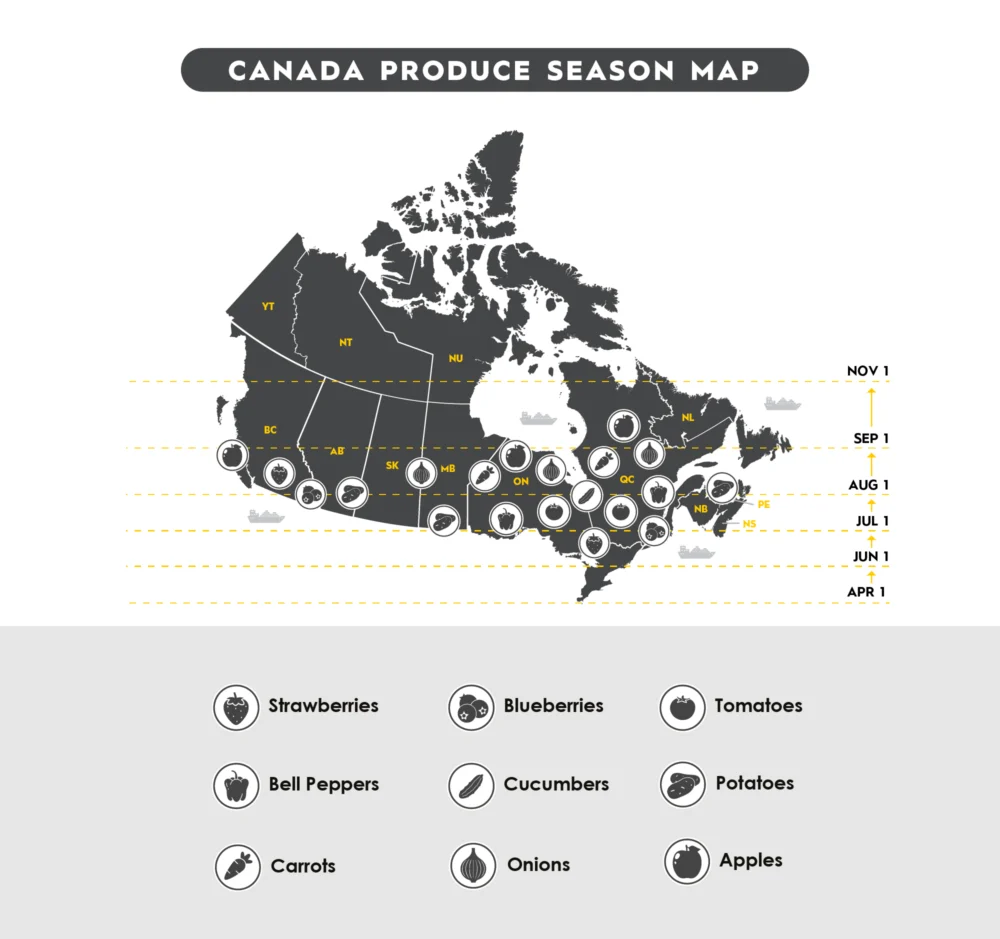
Risk in produce transportation varies significantly by commodity, origin, and season. As volumes shift throughout the year, so do the operational challenges that impact how shipments move.
Higher risk conditions include:
During peak produce seasons, increased volume often coincides with reduced flexibility. Even small delays at pickup, loading, or in transit can have a greater impact when supply chains are operating at capacity.
Produce maps help shippers anticipate these patterns by identifying where commodities are concentrated at different times of year across the U.S., Canada, and Mexico. This visibility supports better routing, capacity planning, and more consistent execution during peak shipping periods.
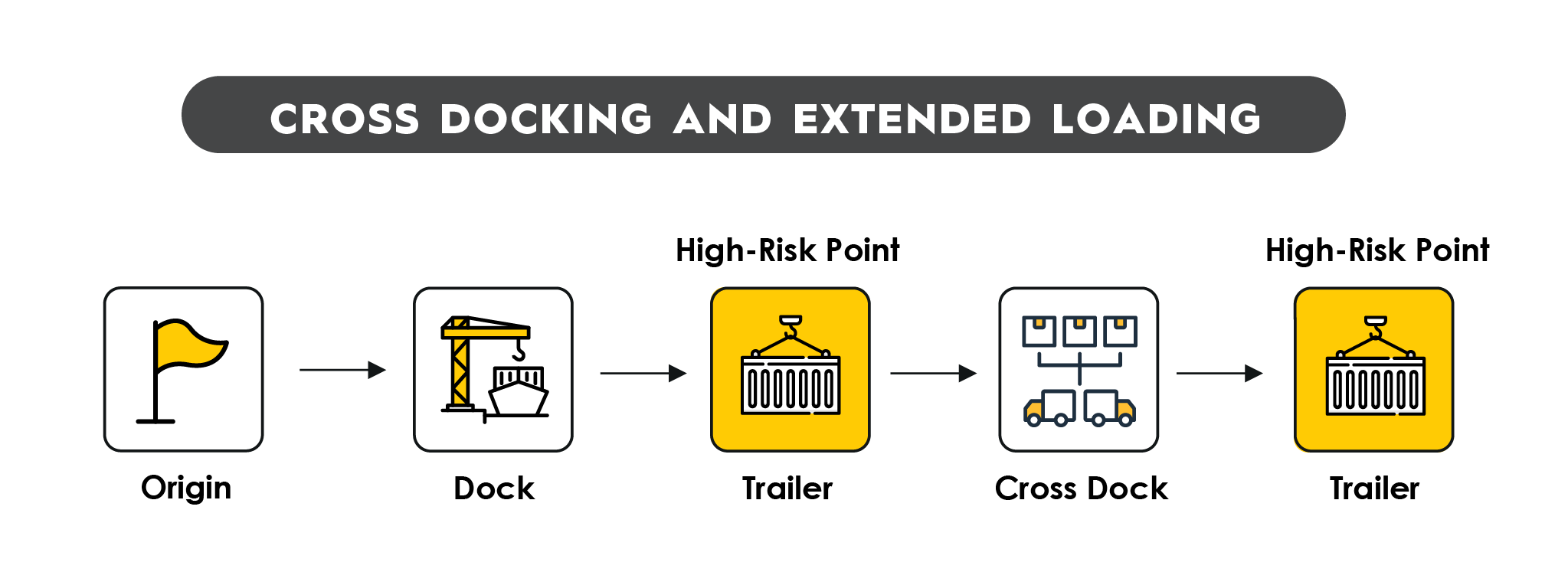
Cross docking and extended loading introduce additional handling and exposure during key transition points in the shipping process. As produce moves between environments or waits to be loaded, maintaining consistent conditions becomes more complex.
These processes can be more challenging to manage when:
While these steps are often necessary – particularly in consolidated or cross-border shipments – they require careful coordination to maintain consistent temperature and airflow conditions.
Managing loading timelines, staging environments, and handoff procedures helps reduce variability and supports more consistent product quality throughout transit.
Check out the Managed Transportation Solutions offered by TRAFFIX.
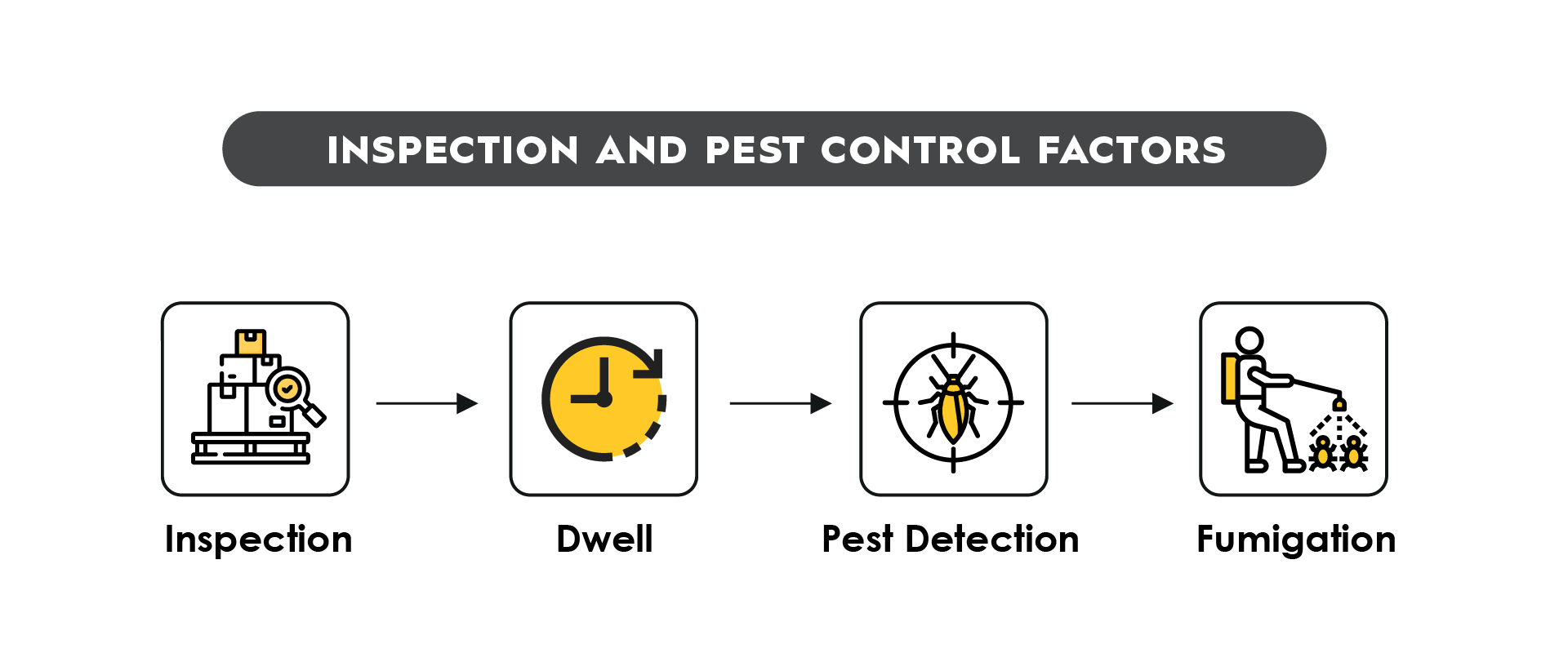
Produce shipments frequently undergo inspections, particularly at borders. While these inspections are a standard part of cross-border transportation, they can introduce additional time and handling that must be managed carefully.
Inspections may involve:
In some cases, inspection outcomes – such as finding pests – require additional steps, including treatment or reinspection, depending on regulatory requirements and destination standards. These processes can affect timelines and, in certain situations, influence product condition or marketability.
Proactive preparation plays a key role in minimizing delays. Clean trailers, properly prepared loads, and accurate documentation help streamline inspections and support a more consistent transit process.
Produce claims can occur in any supply chain, but they are rarely the result of a single issue. More often, they develop from a combination of factors that impact product condition over time.
Common contributing factors include:
Understanding how these elements interact allows shippers to take a more proactive approach to managing produce transportation. By focusing on consistency across each stage of the journey, many common issues can be minimized before they impact product quality.
When claims do arise, having the right transportation partner in place can make a significant difference. Clear documentation, shipment visibility, and an experienced claims process help streamline resolution and support faster, more efficient outcomes.
Produce shipments moving across North America must comply with regulatory requirements from both the U.S. Food and Drug Administration (FDA) and Health Canada, particularly in areas such as food safety, traceability, and inspection readiness.
These requirements are governed by frameworks like the FDA’s Food Safety Modernization Act (FSMA) and Canada’s Safe Food for Canadians Regulations (SFCR), which outline standards for how food is handled, transported, and documented.
For cross-border shipments – especially those involving Mexico – compliance introduces additional coordination around documentation, timing, and inspection procedures.
Accurate records, including bills of lading, grower and shipper information, and prior notice filings (for U.S.-bound shipments), are essential to avoid delays at the border.
These regulations extend beyond paperwork. They directly influence how shipments are prepared, handled, and presented for inspection.
Incomplete documentation, unclear traceability, or improper handling practices can lead to delays, rejections, or additional inspection requirements – all of which can impact transit time and product condition.
Maintaining compliance requires a coordinated approach across shippers, carriers, and customs partners to ensure that both regulatory standards and transit conditions are consistently met.
Produce transportation depends on consistent execution at every stage of the journey – from pre-cooling and loading to transit, handoffs, and final delivery. Small variables in temperature, airflow, timing, and handling can all influence product quality, making attention to detail essential.
While capacity is important, it is not enough on its own to maintain quality. Successful produce shipping relies on coordination, planning, and a clear understanding of how each decision impacts the product in transit.
Working with experienced partners who understand these dynamics helps ensure that shipments move efficiently, conditions remain consistent, and quality is preserved from origin to destination.